Fractional radiofrequency is not always RF microneedling. Learn how different devices deliver heat, what tightening may look like, and which safety questions to ask.
“Fractional RF” has an appealing ring to it: precise technology, firmer skin, no surgery. But two people using that phrase may be describing very different procedures. If you are researching skin tightening in Regina, start by asking how the energy gets into the skin—not just whether the brochure says “radiofrequency.” That one question changes the discussion about discomfort, recovery, risks, and what the procedure might actually accomplish.
Radiofrequency (RF) energy produces controlled heat in tissue. Heat can trigger a repair response and changes in collagen over time. “Fractional” describes treatment in spaced, small zones rather than heating every point uniformly; it does not tell you whether needles are involved. The depth and pattern of heating depend on the device and settings. RF is neither a laser nor the same thing as ordinary microneedling.
The important distinction: surface electrodes or needles?
- Non-needle RF skin tightening delivers energy through an applicator on the skin surface. Devices differ in how broadly and deeply they heat tissue; some use patterned surface electrodes.
- Fractional RF resurfacing may use an array of surface contacts to create discrete treatment zones. A “fractional” label alone does not prove that the treatment penetrates with needles.
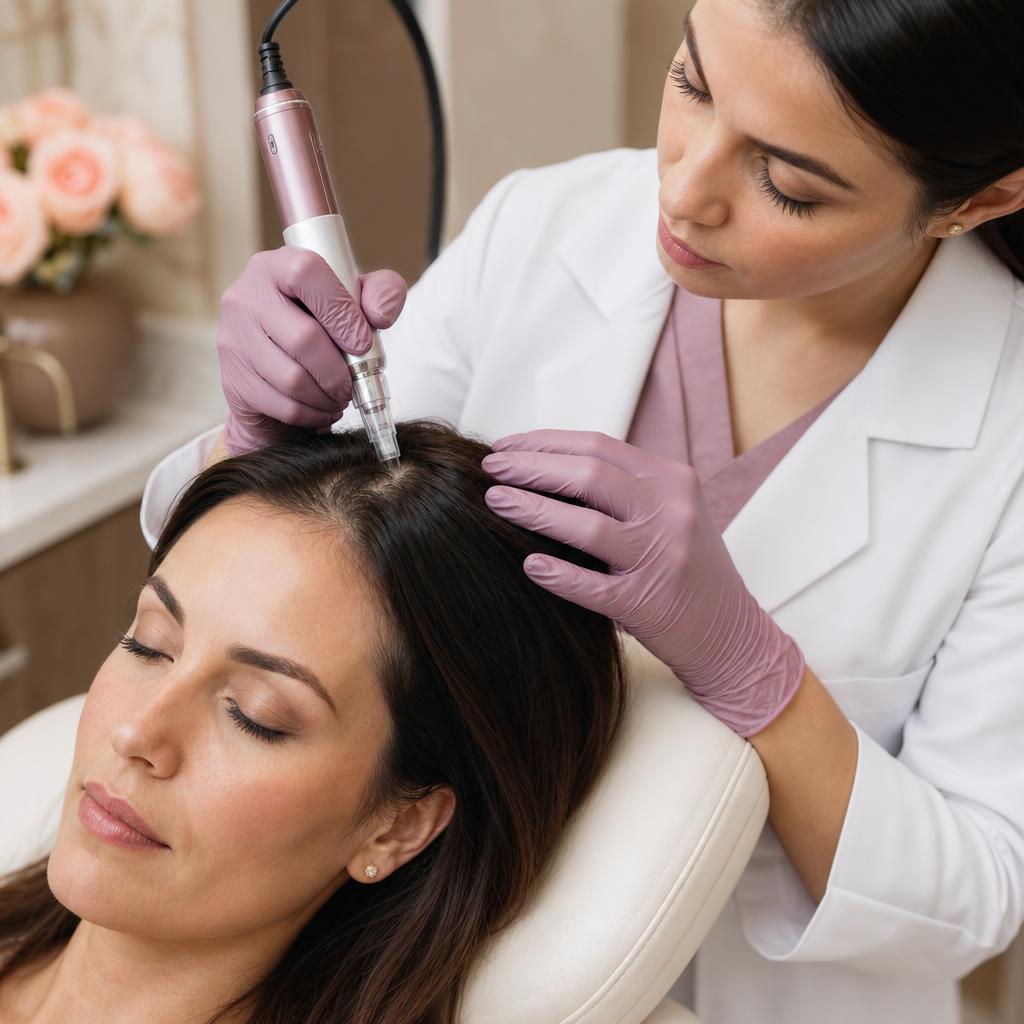
- RF microneedling uses small needles inserted into the skin to deliver RF at selected depths. Mechanical needling plus heat makes its risks and recovery different from surface-only RF.
- Conventional microneedling creates microchannels without RF heat. It should not be described as RF treatment just because both approaches address texture.
Skin Diva’s current service information describes conventional microneedling, chemical peels, IPL, and Plexr Plus plasma treatment. It does not identify a fractional RF device or advertise RF microneedling as a clinic service. Plexr Plus is plasma technology, not RF; the Darwin LUVO LUCENT is listed for IPL, not RF. This article explains the broader category, not an offer of a specific RF procedure here. If you saw a device name elsewhere, confirm the exact model and modality with the provider before booking.
Where might RF help—and where does it fall short?
For a suitable person with early or modest laxity, heat-based RF may yield a gradual, subtle improvement in how firm skin looks or feels. Some fractional devices also target texture and fine lines; RF microneedling is studied for select acne scars. Results depend on the target, device, technique, and individual healing. No energy device restores lost facial volume or removes substantial excess skin. A surgical consultation may be more useful for pronounced sagging, and a pigment concern or active skin disease may call for an entirely different plan.
“Collagen stimulation” is a biological goal, not a promise that everyone will see a lifted jawline. Swelling can briefly make skin appear tighter before longer-term changes can be evaluated. Ask what improvement is realistic for your anatomy and what evidence exists for the specific device and concern. Before-and-after images from another person, especially with different lighting, cannot predict your outcome.
What should a careful safety conversation cover?
Surface RF can cause warmth, redness, or temporary swelling; excessive heating can cause burns. Needle-based RF adds puncture-related concerns such as discomfort, infection, and scarring. Changes in pigmentation deserve particular attention if you have a history of post-inflammatory darkening, melasma, or a deeper skin tone. Neither “non-surgical” nor “minimally invasive” means risk-free.
In a 2025 safety communication about RF microneedling—not all forms of RF—the U.S. FDA reported serious adverse events including burns, scars, fat loss, disfigurement, and nerve injury with certain uses. That warning should not be generalized into a claim that every surface RF treatment causes those outcomes. It does mean needle-based RF deserves an informed discussion of device selection, operator training, treatment depth, and how complications will be managed.
- Ask for the device name, whether needles enter the skin, and what tissue is intended to be heated.
- Share your health history, medications, prior procedures, implanted electronic devices, skin infections, scarring history, and pregnancy status for individualized screening.
- Ask what recovery might involve, how sun exposure and skincare should be managed, and whom to contact if pain, blistering, or unusual colour changes occur.
Choosing a path at Skin Diva
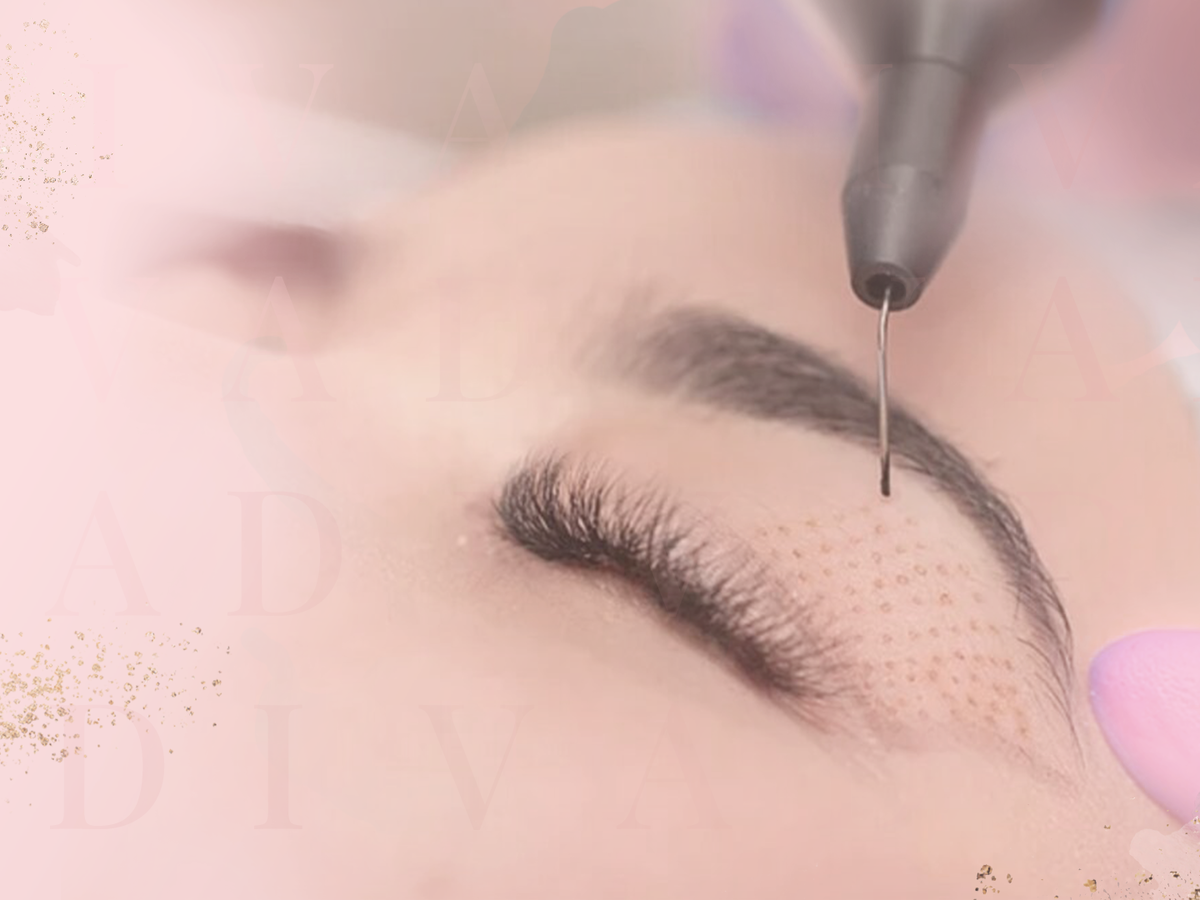
If your main concern is rough texture or acne-scar appearance, Skin Diva’s listed microneedling and resurfacing services may be worth discussing. For mild localized eyelid skin concerns, the clinic also lists Plexr Plus; it is not a stand-in for RF or surgery. An assessment can help separate laxity from volume loss, pigmentation, or surface texture so the next step matches the problem rather than a trending device name.
Explore listed Skin Diva services
Not Sure What Your Skin Needs?
Use the skin quiz to explore your concerns, then discuss appropriate options with a provider. It does not diagnose or confirm RF availability.
Take the Skin QuizSources and further reading
Educational information only, not a diagnosis or treatment recommendation. Confirm any specific device and service directly with your provider; suitability and outcomes require an individual assessment.
Skin Diva · Regina, SK
Ready to Book a Consultation?
Call Skin Diva at 306.535.7711 or book online to schedule a consultation.
Book Now