Wondering whether PRP with scalp microneedling could help thinning hair? Start with the cause of hair loss, realistic expectations, safety, and a tailored consultation.
Noticing more scalp in your part or more hair in the shower can be unsettling. It is tempting to jump straight to a treatment you have seen online, but “hair loss” is a symptom with many possible explanations. PRP may be one option for some people; finding out why your hair is thinning is the more useful first step. At Skin Diva, scalp microneedling with PRP is considered within our microneedling services after an individualized assessment—not a standalone hair-loss specialty or a universal regrowth solution.
First, what kind of hair loss is it?
Pattern hair loss may show up as a widening part, receding hairline, or thinning crown. Other causes include recent illness or stress, nutritional deficiencies, medication changes, hormonal shifts, autoimmune conditions, or scalp disease. These do not all respond to the same treatment. The American Academy of Dermatology notes that an accurate diagnosis may involve a scalp examination, medical history, and sometimes blood tests. Sudden patchy loss, a painful or inflamed scalp, or rapidly progressing shedding deserves medical evaluation rather than a cosmetic shortcut.

What does scalp microneedling with PRP involve?
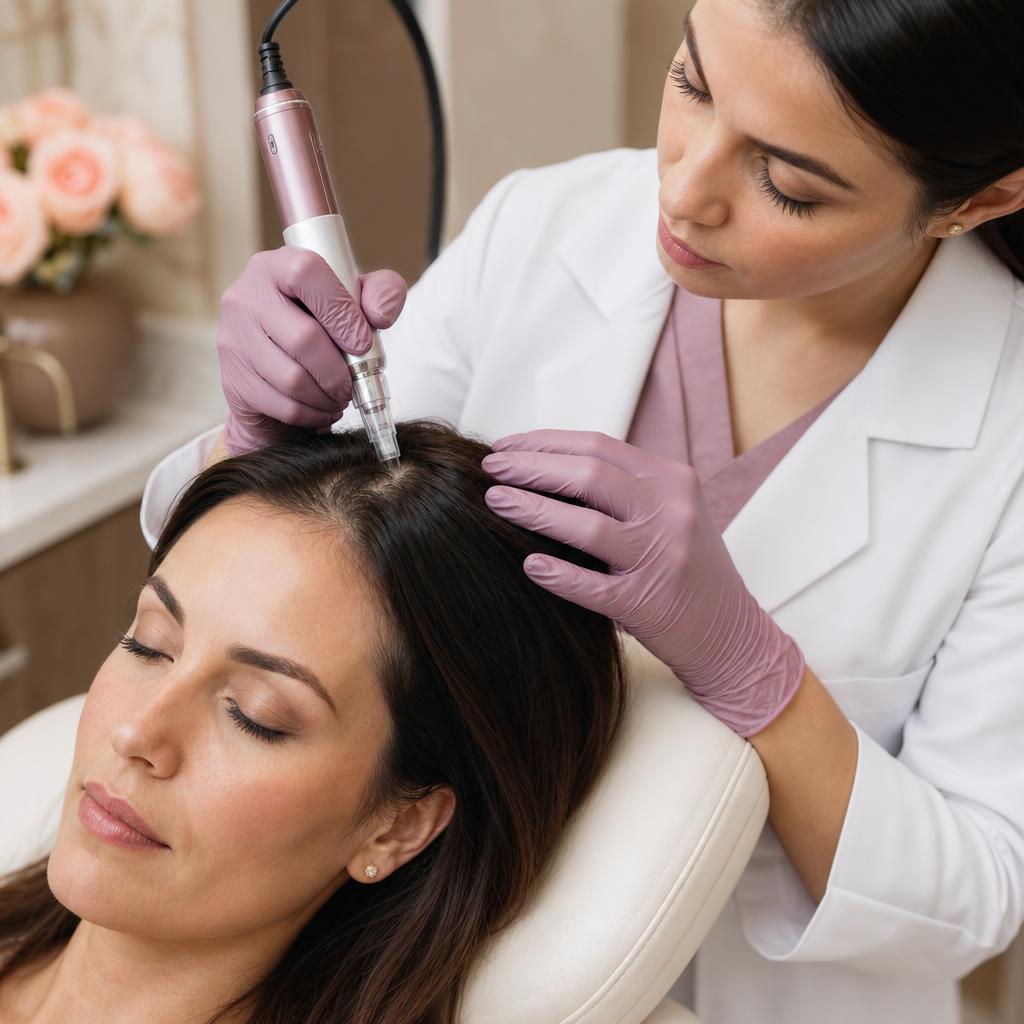
PRP stands for platelet-rich plasma. A clinician collects a small blood sample and processes it to concentrate platelets, which contain factors involved in the body’s repair response. Scalp microneedling makes controlled tiny channels in the selected area. For a suitable person, the clinician may combine needling with PRP as part of a tailored plan. The exact application, treatment area, and timing are clinical decisions. PRP is made from your own blood, but “natural” does not mean risk-free or guaranteed to grow new hair.
There is encouraging research on PRP for certain forms of hair thinning, especially pattern hair loss, but studies use different preparations and techniques. Evidence for combining PRP specifically with scalp microneedling is still evolving. Neither approach can revive every damaged follicle, correct an untreated medical cause, or reliably fill an area where follicles no longer produce hair. It is reasonable to ask how a proposed plan compares with other evidence-based options and whether your diagnosis calls for care from a dermatologist or primary care clinician.
Who should pause before booking a procedure?
- Anyone with sudden, patchy, painful, scaly, or inflamed scalp changes should seek a medical assessment for the cause first.
- An active scalp infection or impaired healing may mean postponing or avoiding microneedling.
- Blood or platelet disorders, medications affecting bleeding, and other health conditions need clinician review before a blood draw or needling.
- If your goal is a full head of hair on a completely bare area, ask what is realistically possible; PRP is not a substitute for a diagnosis.
What might recovery and results look like?
The scalp may feel tender, tight, or look pink after treatment; small spots of bleeding, swelling, or bruising can occur. Infection, irritation, or an unsatisfactory result are possible, even when the material comes from your own body. Blood collection and preparation must follow medical infection-control safeguards. Your clinician should explain personalized instructions for washing, styling products, exercise, sun exposure, and when to contact the clinic. Do not change prescriptions or use at-home scalp needling in place of that advice. Worsening pain, spreading redness, drainage, or fever needs prompt medical attention.
Hair grows slowly, so any visible change, if it occurs, is gradual rather than immediate. Someone with early thinning may hope for less shedding or better-looking density; another person may see little change. A clinician may discuss repeat visits or ongoing care, but the schedule should follow your response and diagnosis, not a fixed online package. Photographs taken in similar lighting can help you judge changes more fairly than day-to-day mirror checks. There is no guarantee of regrowth or permanent improvement.
Make the consultation count
Bring the timeline of your hair changes, family history, relevant health conditions, medication list, and any treatments already tried. Ask which diagnosis is most likely, whether a medical workup is needed, what success would look like for you, and what risks and alternatives matter most. At Skin Diva, the conversation about scalp microneedling with PRP belongs within a broader, consultation-led plan. If the cause remains unclear, a referral or further assessment may be more helpful than proceeding straight to a procedure.
Hair thinning deserves a thoughtful explanation before a treatment plan. Explore scalp microneedling with PRP as a possible option—not a promise of regrowth—and seek medical evaluation for unexplained or sudden loss.
Further reading
Skin Diva · Regina, SK
Ready to Book a Consultation?
Call Skin Diva at 306.535.7711 or book online to schedule a consultation.
Book Now