
Curious about microneedling with platelet-rich plasma? Learn what each step does, what the evidence suggests for acne scars, and how to plan for recovery.
If you have been looking into microneedling for uneven texture or lingering acne scars, you may have seen platelet-rich plasma (PRP) mentioned alongside it. The pairing sounds high-tech, but the starting question is simple: what is each part meant to do, and would adding PRP make sense for your skin? A good answer begins with the concern you want to address—not a promise that two treatments are automatically better than one.
Two approaches, one considered plan
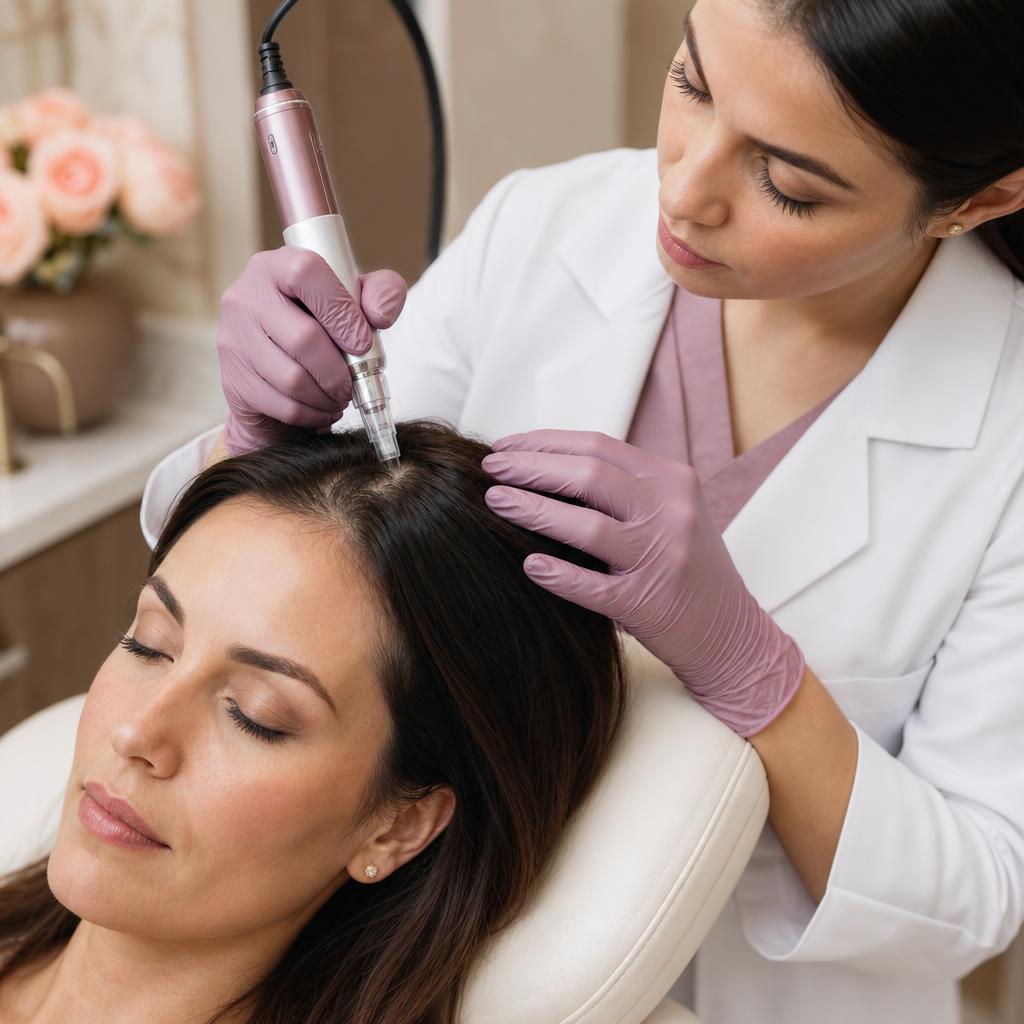
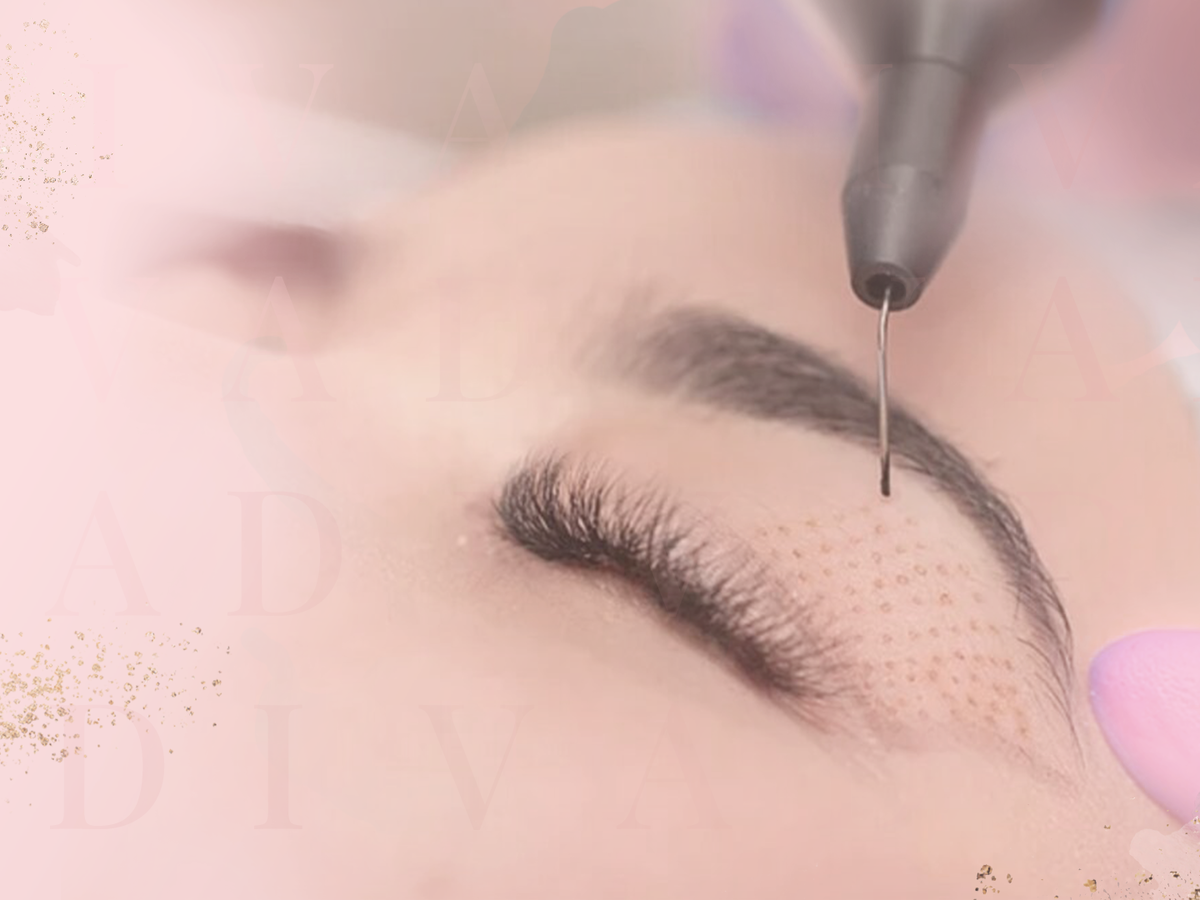
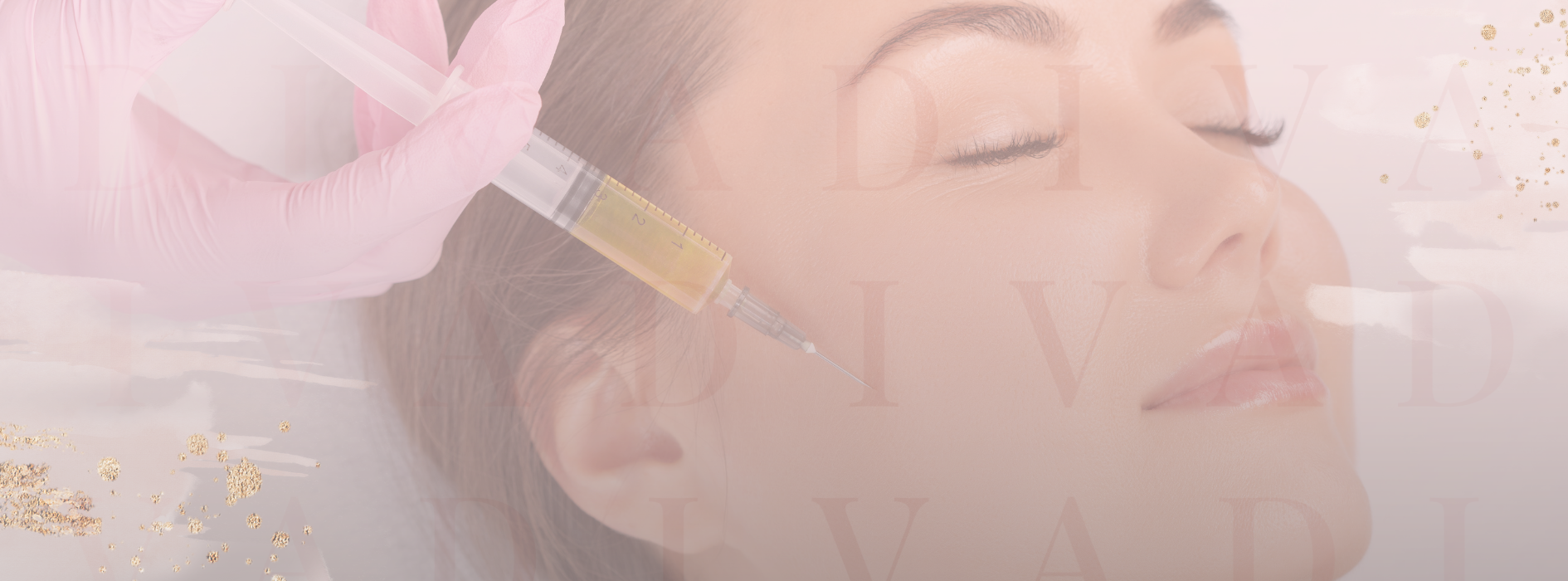
Professional microneedling uses fine needles to make controlled micro-injuries in the skin. The resulting repair response can support collagen remodeling over time; it is not an instant resurfacing treatment. PRP is prepared from a small sample of your own blood, processed to concentrate platelets in plasma. Platelets carry substances involved in tissue repair. Depending on the clinical plan, PRP may be applied to treated skin or delivered in another clinically appropriate way. The method is decided by the treating clinician, not by an online “vampire facial” trend.
The American Academy of Dermatology describes microneedling with PRP as an option that may improve collagen production and can be particularly useful when treating some acne scars. That does not mean PRP is needed for every microneedling appointment, or that it will erase deep scars, remove pigment, or outperform alternatives for every person. Studies differ in how PRP is prepared and used, and individual results remain variable.
Where might the combination fit?
People most often ask about this combination for uneven texture, some types of atrophic acne scarring, or a gradual improvement in overall skin quality. The important word is “some”: scar depth and shape, active breakouts, skin tone, previous treatments, and your tolerance for downtime all change the plan. Raised scars and persistent redness may call for a different approach. Active acne or a current infection should be assessed and managed before needling; treating through an inflamed area can make problems worse.
- Discuss the specific concern: scar texture, fine lines, or general skin quality do not all respond in the same way.
- Ask what microneedling alone might reasonably accomplish before deciding whether PRP adds value.
- Mention pigment changes after past procedures, a history of cold sores, and any difficulty healing.
- Bring a full medication and health history, especially blood or platelet conditions and medicines affecting bleeding; do not stop prescribed medication without your prescriber’s advice.
What happens during a visit?
First comes a consultation and skin assessment. If the combination is suitable, the clinician explains the blood draw, preparation, needling, and how PRP would be used in your case. You may be offered topical numbing; the treated area can feel scratchy or warm despite comfort measures. Blood handling and skin penetration both require careful identification of your sample, sterile supplies, and infection-control practices. Using your own plasma lowers the chance of a reaction to a foreign substance, but does not remove infection or other procedure-related risks.
Results and recovery: think gradual, not overnight
Expect temporary redness, warmth, tightness, mild swelling, or pinpoint bleeding after treatment. More serious complications can include infection, persistent discoloration, or scarring, particularly if the procedure or aftercare is inappropriate for your skin. Improvement in texture or scars tends to develop as skin remodels over weeks to months. Some people and concerns may need a series of treatments, while others see modest change; no one can promise a particular result from a single visit.
Your provider should give you instructions tailored to what was performed. Usually that means gentle cleansing, avoiding irritating active products and unnecessary friction while skin is sensitive, and discussing when to resume makeup, exercise, and sun protection. Protect healing skin from direct sun and use the sunscreen your clinician recommends when cleared to do so. Do not improvise with potent serums on freshly treated skin. Increasing pain, spreading redness, drainage, or fever warrants prompt medical advice.
The best combination is the one that suits your skin—not the one with the catchiest name. At Skin Diva in Regina, ask for an individualized assessment before choosing microneedling alone or microneedling with PRP.
Further reading
Skin Diva · Regina, SK
Ready to Book a Consultation?
Call Skin Diva at 306.535.7711 or book online to schedule a consultation.
Book Now